Oceania

Best Three Day Itinerary for Vanuatu

Vanuatu

Vanuatu is an archipelago of about 80 islands in the South Pacific known for its lush volcanic landscapes, clear turquoise waters, and rich Melanesian culture. Visitors can snorkel vibrant coral reefs, explore active volcanoes, and experience traditional dances, kastom villages, and kastom sand drawings. The islands offer a relaxed pace, fresh seafood, and unique attractions like the underwater post office and cultural festivals, making Vanuatu an appealing destination for adventure, nature, and cultural travel.

If you’re here from my post “How to visit every country in the Pacific,” welcome! This is going to be a little more of an in-depth guide on my trip to the country of Vanuatu.

How to get to Vanuatu

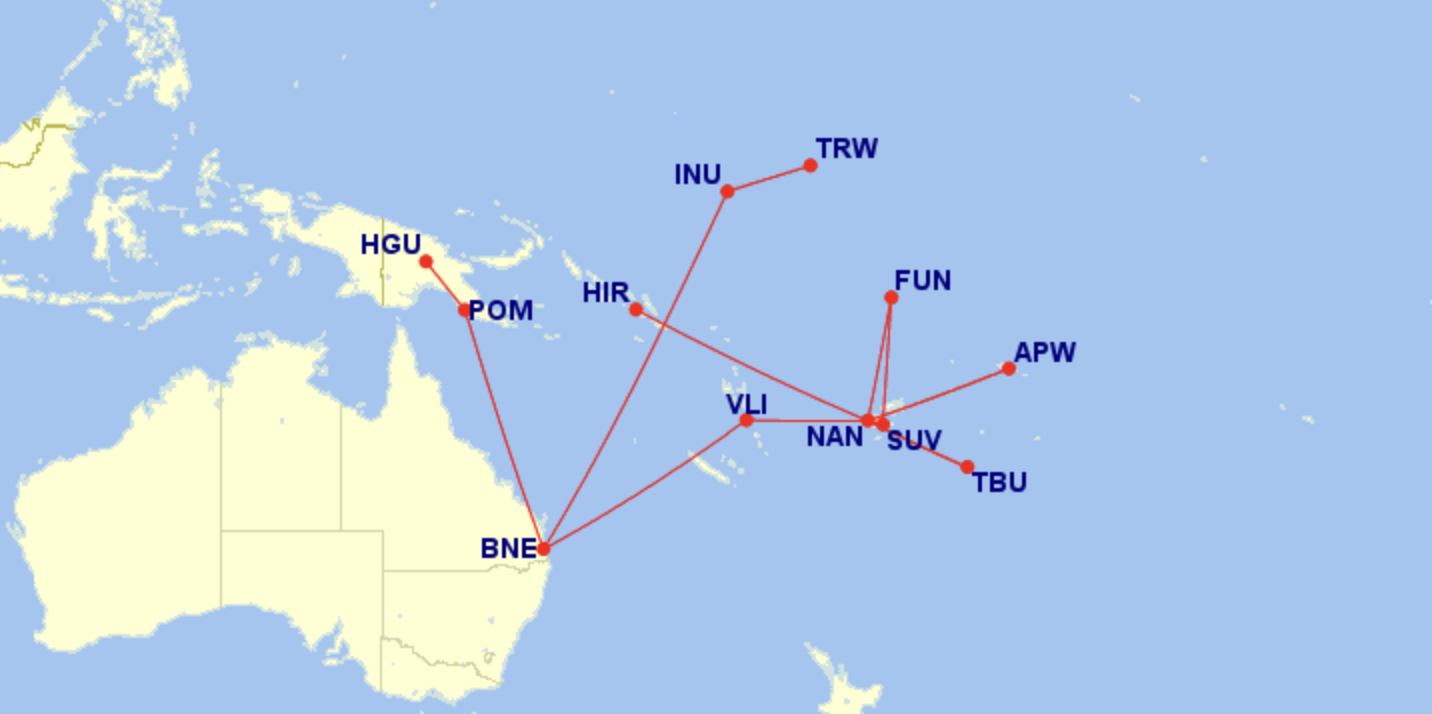
Vanuatu is one of the more popular destinations in the South Pacific, so you shouldn’t have a problem trying to find a flight. Flights operate everyday from Australia, New Zealand, Fiji, and the Solomon Islands. We ended up flying from Brisbane to Port Vila, Vanuatu and then after onwards to Fiji.

Where to stay in Port Vila

There are a lot of options since Vanuatu is more of a touristy destination, but since there was four of us for this leg of the trip we stayed at Pacific Lagoon Apartments so we could cook and hang out together. If you have a rental car this was a pretty central location, but it definitely wouldn’t be easy if you’re just planning on walking.

SEARCH | Alternatively, check out Booking.com for more options in the area.

Staying connected in Vanuatu

My friends and I all used the Airalo Oceania Esim for this trip, which covers eight countries in Oceania and specifically seven of the countries on this trip through the South Pacific. It’s cheaper than buying individual esims or physical sim cards for each country so it’s a great deal and you can top-up if you run low on data. I personally love using esims since you’re instantly connected when you land to look up directions, currency rates, or language translations. Yes, Vanuatu is covered on the Airalo Oceania Esim, but if you’d rather purchase a Vanuatu esim separately you can check it out here.

SEARCH | Alternatively, check out Airalo.com for more esim options.

How to get around Vanuatu

We decided to rent a car to get the most out of our time in Vanuatu, and so we could get to the touristy spots early and avoid crowds. You can see all the sights of the island in pretty much a full day, and everyone does the same loop. If you can get on the road early and beat everyone to the first stop, you will beat everyone to the rest of the attractions.

Rental car options are limited; we managed to snag a rental since we were the first ones out of customs in the arrival hall of the airport, but you should try making a reservation online in advance. Expedia seems to have the best rates for rental cars.

SEARCH | Alternatively, check out Expedia.com for more options in the area.

Best Itinerary from Port Vila

Day 1: Arrival

We arrived at Bauerfield International Airport in Port Vila at 2 PM and did the usual money exchange, sim cards, rented a car, then found the guesthouse we were staying at. There was a grocery store along the way so we stopped for groceries and made dinner.

After dinner we met up with another friend who had a collaboration with the Vanuatu tourism board, and they were at the Kava Lounge. Kava is a traditional Pacific Island beverage made from the ground roots of the kava plant, known for its calming, mildly sedative effects and earthy, peppery flavor. I personally didn’t try kava but it seemed like a nice atmosphere and place to do it! If the Vanuatu tourism board recommended this place, it’s probably the spot to check out.

Day 2: Loop around Efate island

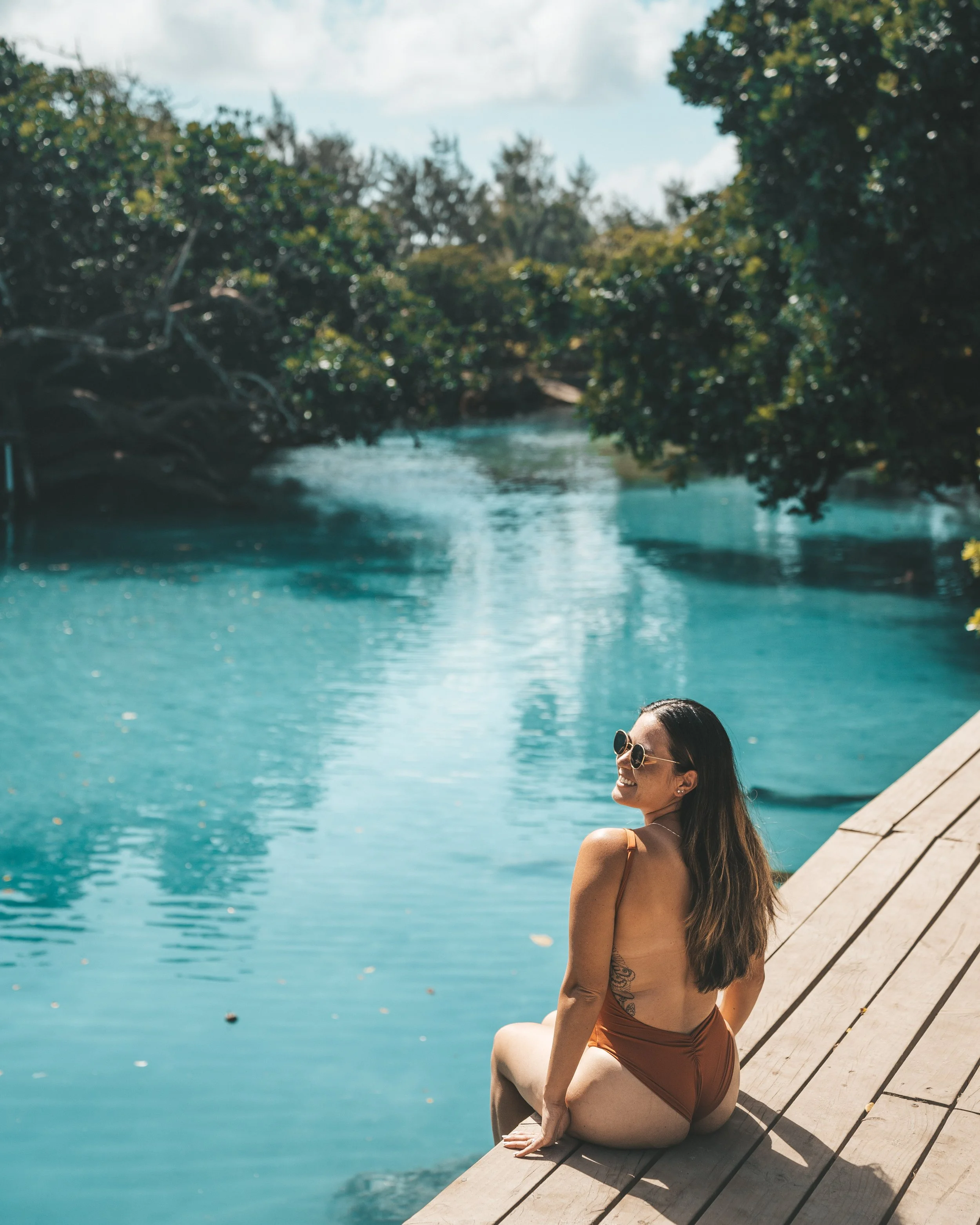
We got on the road early in the morning to drive to the Blue Lagoon so we could be there right when it opened at 8 AM. It was 1500 Vatu per person (about $12 USD) and you need to pay in cash. We were the first ones in and had it all to ourselves before the tour buses showed up!

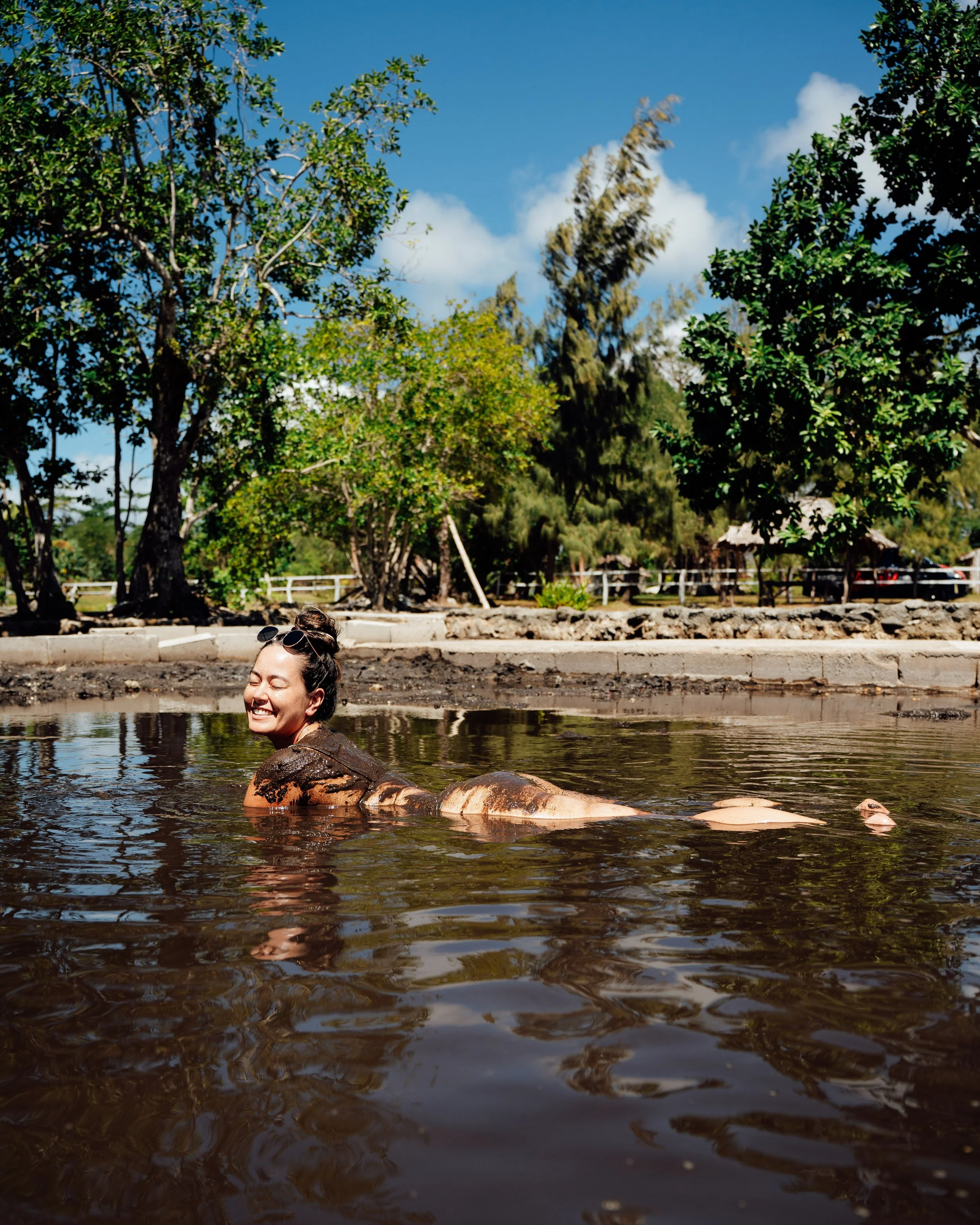
Our next stop was Nasinu Hot Springs, which includes both the hot springs and mud bath. To rinse off after there was a bucket for a makeshift shower and a changing area. It’s pretty basic but it’ll get you clean for your next stop!

We stopped for lunch at Gideons Landing Restaurant & Ecolodge because supposedly the TV show Survivor was filmed at the beach there. The beach was beautiful, but the food options weren’t great. I would probably recommend looking for a different restaurant nearby on Havannah Beach (Survivor Beach).

The last stop of the day was Hideaway Island, where you can snorkel and visit an Underwater Post Office. Drive to the point on the map closest to the island (I’ll also share a map with a pin) and park. There will be a small boat that goes back and forth taking people and you can take it across. Once on the island visit the visitor’s office where you can rent snorkeling gear and buy postcards for the Underwater Post Office. The postcards and stamps are waterproof, and they have special pencils to use. After you can snorkel out to a platform and dive down to an underwater mailbox and pop your postcards in. This was probably my favorite experience in Vanuatu!

day 3: ekasup cultural village

In the morning we went to the Ekasup Cultural Village to learn more about Vanuatu and their customs. I have to say, I was expecting it to be touristy but they did a great job at making it an authentic experience! You do have to contact them in advance to make a reservation.

They don’t have a direct website, but you can email them at: ekasupculturalvillage@vanuatu.com.vu

If you don’t want to rent a car but still want to explore the island, I found a few tours that cover these activities. This day trip covers the cultural village, Blue Lagoon, Nasinu Hot Springs, Survivor Beach, and trying the local kava.

If you also want to visit Hideaway Island, you can try this day tour here which also includes a coffee roastery visit.

SEARCH | Alternatively, check out Getyourguide.com for more options in the area.

Vanuatu Budget

FLIGHTS: $528 USD

The whole Fiji Airways loop (Vanuatu - Tonga - Samoa - Tuvalu - Fiji - Solomon Islands) cost $2072 USD, but to just break it down, from Brisbane to Vanuatu cost $312 USD and the flight from Vanuatu to Fiji cost $216 USD.

HOTEL: $35 USD

Our guesthouse cost $140 USD for two nights, but we split it four ways so it was $35 per person, or $17.50 per person per night.

RENTAL CAR: $54 USD (Total was $216 USD, split 4 ways)

FOOD & DRINKS: $73 USD

ACTIVITIES: $77 USD

$30 USD was for Hideaway Island alone (snorkeling, postcards, ferry fees)

$21 USD: Ekasup cultural village

$13 USD (1500 Vatu): Blue Lagoon

$13 USD (1500 Vatu): Nasinu Hot Springs

TOTAL SPENT FOR VANUATU: $767 USD

Everything you need to know about Kiribati

Everything you need to know about Kiribati

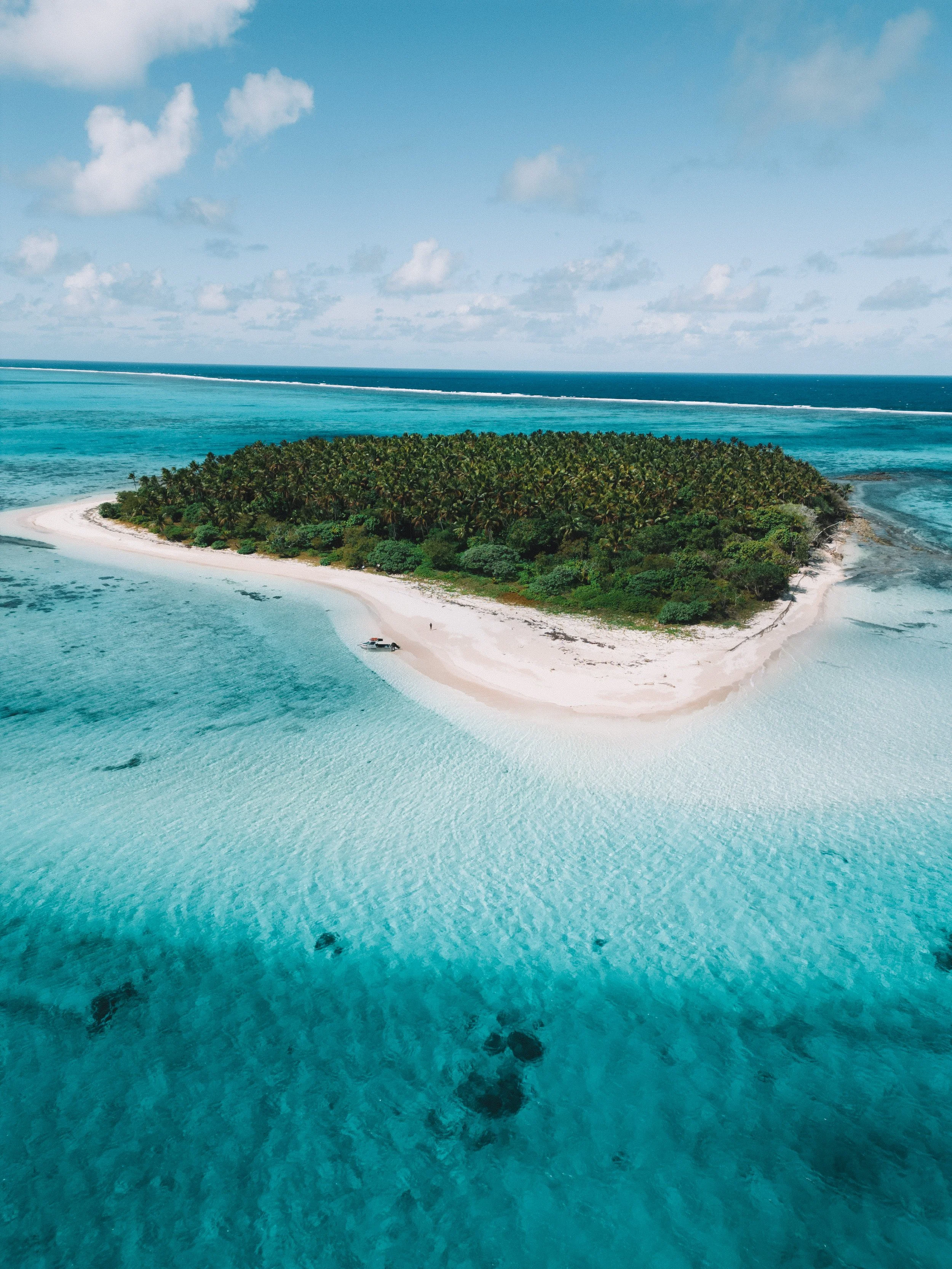
Kiribati is a dispersed island nation in the central Pacific Ocean, made up of 33 atolls and reef islands spread across a vast maritime area. Known for its vibrant Micronesian culture, subsistence fishing, and coconut-based economy, Kiribati faces urgent challenges from climate change and sea-level rise that threaten low-lying communities and freshwater supplies. The nation’s warm equatorial climate, rich marine biodiversity, and traditional island life offer a unique destination for travelers seeking remote beaches, diving, and cultural experiences.

If you’re here from my post “How to visit every country in the Pacific,” welcome! This is going to be a little more of an in-depth guide on my trip to the country of Kiribati.

How to get to Kiribati

As of now, there are four international flights per week from Fiji, Nauru, and the Marshall Islands to Bonriki International Airport on South Tarawa Island. We flew from Brisbane via Nauru Air and had a short layover in Nauru before reaching Kiribati — everyone had to deplane, go through security, and wait before getting back on the plane. There is no wi-fi at the airport so I recommend the Airalo Oceania Esim if you’re traveling to several countries in the Pacific, or if you’re just doing a layover in Nauru check out the esim here.

Where to stay in Kiribati

There aren’t many places to stay in Tarawa but we found that Dreamers Kiribati (not an affiliate link, but just trying to make it easier for your research!) was fantastic and in a great location to be able to explore the island. It is owned by a British guy that was born in Kiribati and spent his childhood here, left, and eventually came back in his later adult life. Fascinating story!

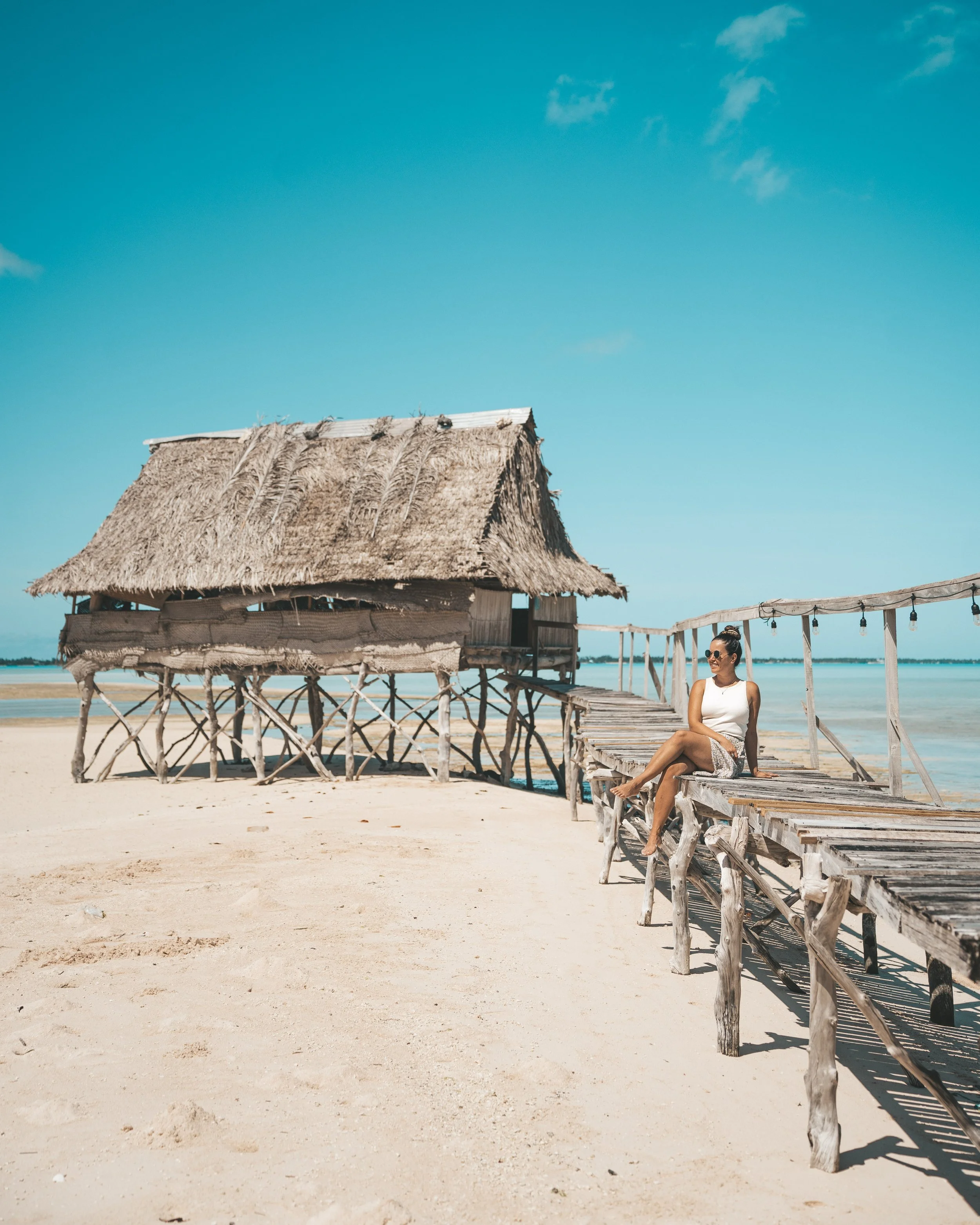
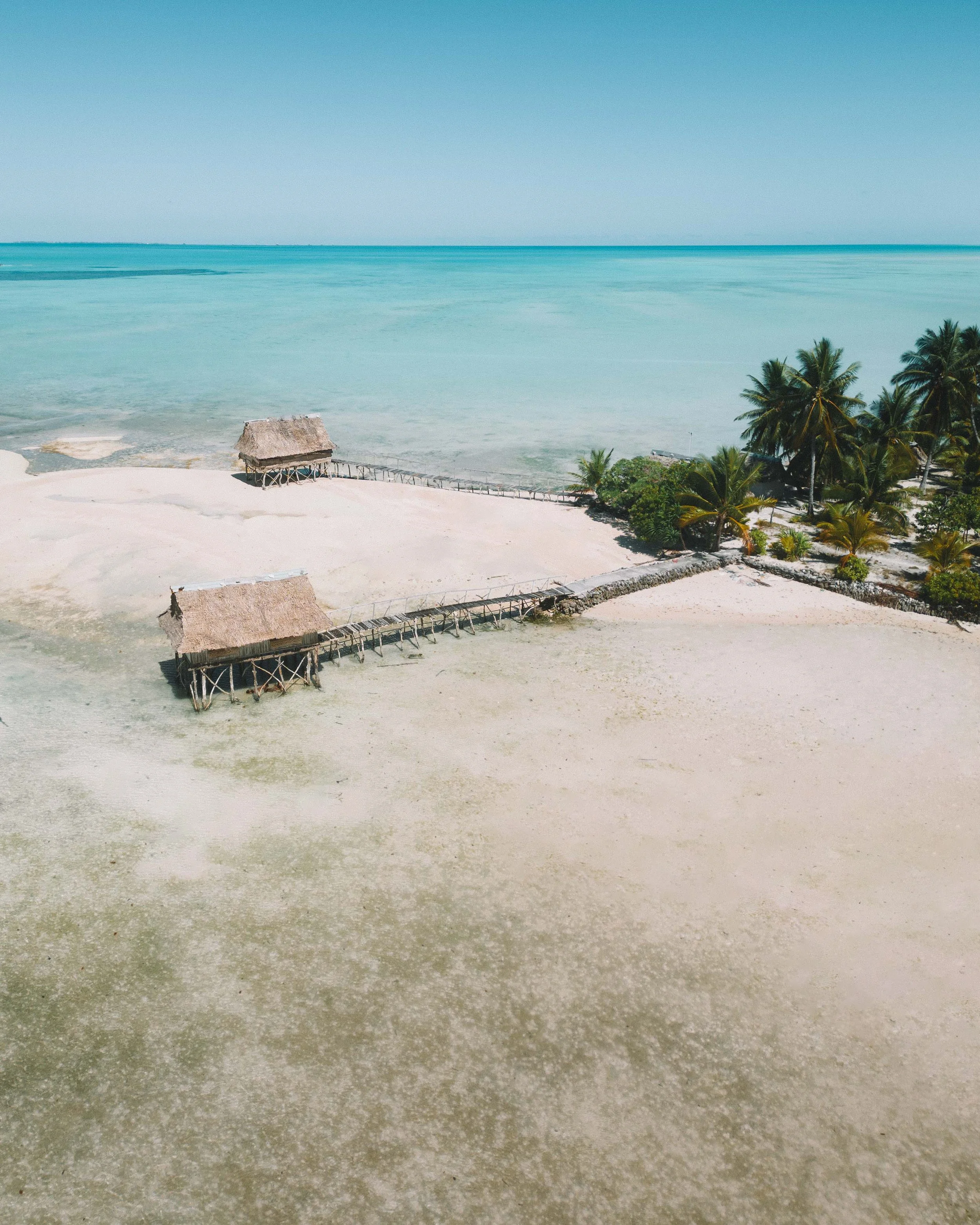
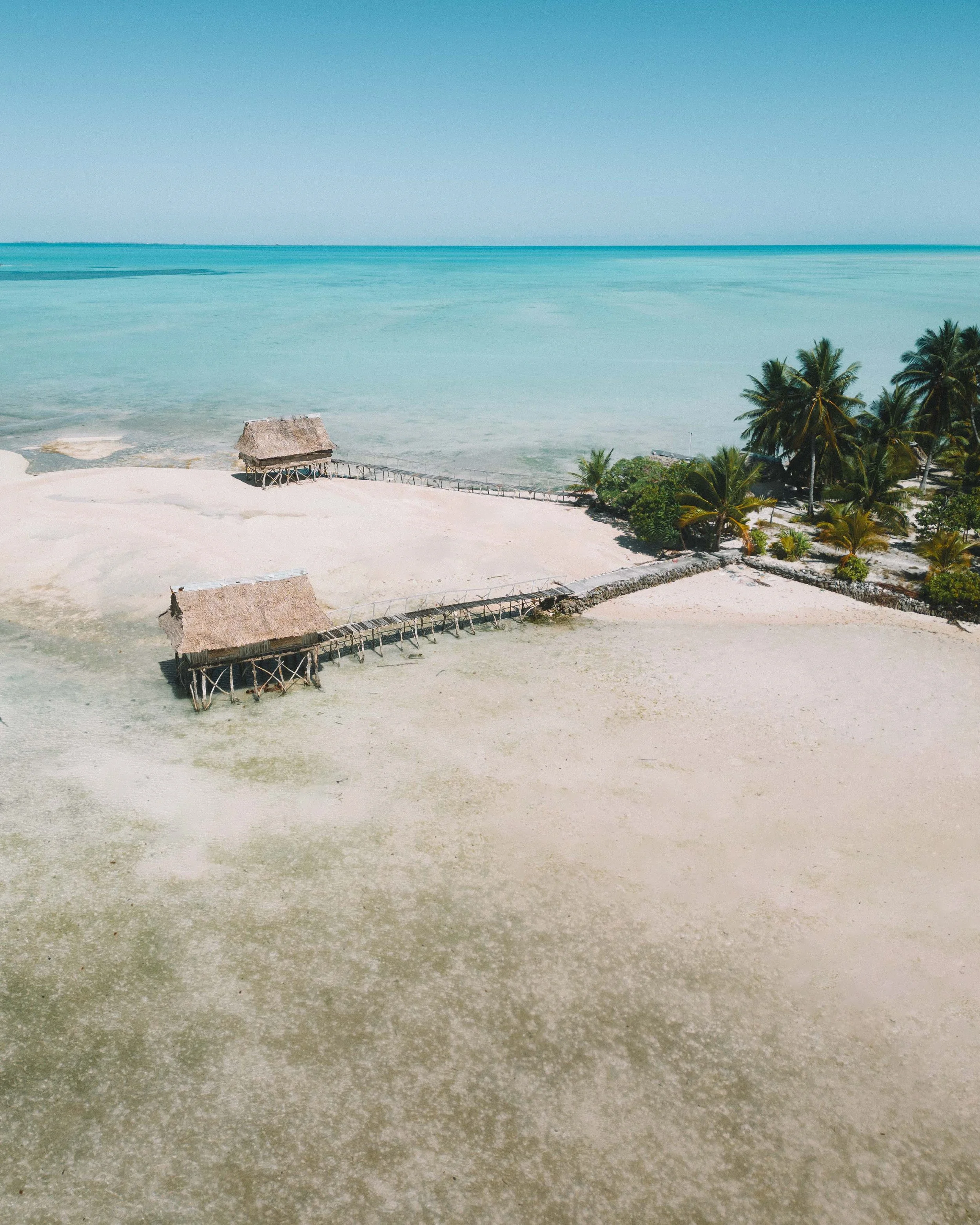
If you want to experience an authentic stay in a traditional overwater bungalow called a “buia” I recommend checking out Tabon te Keekee Ecolodge, but it’s pretty remote so I’d probably only recommend staying there for a night if you have an extended amount of days in Kiribati. We visited Tabon te Keekee Ecolodge on a day trip and it was perfect! I’ll get into it under the “things to do” section.

Staying connected in Kiribati

Unfortunately the Airalo Oceania Esim does not cover Kiribati, but there is a sim card stand right outside the airport when you arrive. Our flight got in at 7 AM and it was closed, so we didn’t get a sim card. We ended up just using the wi-fi at our hotel, Dreamers Kiribati, and it was surprisingly fast.

How to get around Kiribati

Airport pick-up and drop-off was included with Dreamers Kiribati, but to do some sightseeing there’s only one road that goes up and down the island. From the hotel on the main road we would wait and flag down minibuses that were going up and down the road. Depending on the direction you wanted to go, you need to stand on the right side of the road! Make sure you bring lots of Australian dollar coins since you’ll be paying a quarter here and there for a ride!

What to do in Kiribati

There’s not a whole lot to do, but we took the minibus up the island to check out some WWII relics. We also spent a morning going to Tabon te Keekee Ecolodge. From Dreamers Kiribati Hotel, we took a minibus towards the airport as far as we could. Then we hitchhiked a ride on a back of a truck until there was a bridge the truck could not cross. We walked for about another 20 minutes until we finally saw water and a boat going back and forth across the lagoon. We took the boat across and finally was at the ecolodge. We walked around the ecolodge a bit, I droned, and then we headed back.

Budget

FLIGHTS: $1146 USD

The whole Nauru flight loop (Brisbane - Kiribati - Nauru - Brisbane) cost $1784 USD, but to just break it down, from Brisbane to Kiribati cost $776 USD and the flight from Kiribati to Nauru cost $370 USD.

HOTEL: $40 USD

Normally a room at Dreamers Kiribati cost $140 AUD, but since there was three of us it was $180 AUD. Split three ways it was $60 AUD or $40 USD.

FOOD & DRINKS: $17 USD

Breakfast was included, we paid $20 AUD ($14 USD) for dinner at the guesthouse, and $3 USD for water/snacks. Minibus transport cost a few cents but make sure you bring coins or small change.

TOTAL SPENT FOR KIRIBATI: $1203 USD

Everything you need to know about Tuvalu

Tuvalu

Tuvalu is a tiny Pacific island nation of nine coral atolls and reef islands, home to about 11,000 people. Known for its clear lagoon waters, coconut palms, and traditional Polynesian culture, Tuvalu faces urgent threats from sea-level rise and climate change. The country maintains a close-knit community life, subsistence fishing and copra production, and a strong cultural identity expressed through dance, song, and customary practices. As one of the world’s smallest and most remote nations, Tuvalu plays a prominent role in global climate advocacy.

If you’re here from my post “How to visit every country in the Pacific,” welcome! This is going to be a little more of an in-depth guide on my trip to the country of Tuvalu.

How to get to Tuvalu

Tuvalu is one of the world’s least-visited countries, so getting here is not easy. There are about 3-4 flights per week, and they only fly from Fiji. The only airline that flies to Tuvalu is Fiji Airways. This was part of the “Fiji Airways loop” I mentioned in my other post, so we technically flew from Samoa and had a layover in Fiji before reaching Tuvalu.

Do you need a visa for Tuvalu?

It’s always best to do your own research, but even as a US passport holder I got mixed information looking on official websites. From my research, I concluded I would have to get a visa-on-arrival and have to pay $100 USD upon arrival, which I had ready, but the immigration officer just stamped my passport and that was it — no visa needed. Best advice I can give is to just be prepared!

Where to stay in Tuvalu

There aren’t many options for hotels in Tuvalu, and most of them are booked out half a year in advance for aid workers and construction workers for the airport runway. We were fortunate to book at the Funafuti Lagoon Hotel (not an affiliate link, just sharing to help), which is fifty meters from the airport. It’s nothing to brag about, but it’s clean and in a good location. There’s also a motorbike rental spot right across the street.

How to get around Tuvalu

Besides walking, we rented a motorbike directly across the street from our hotel. It’s just a house with a sign and a lot of motorcycles out front so you might have to wait until someone walks by. It was $10 USD for the day, including gas.

Staying connected in Tuvalu

My friends and I all used the Airalo Oceania Esim for our trip through the Pacific, but unfortunately it didn’t work for Tuvalu. There wasn’t wi-fi at the airport when we arrived either, so we had to ask around to find our hotel and just ended up using the hotel wi-fi during our time in Tuvalu.

SEARCH | Alternatively, check out Airalo.com for more esim options.

Currency in Tuvalu

Tuvalu uses the Australian dollar, but make sure you bring enough cash for your trip! ATMs don’t work (at least when I went) and credit cards are not accepted.

What to do in Tuvalu

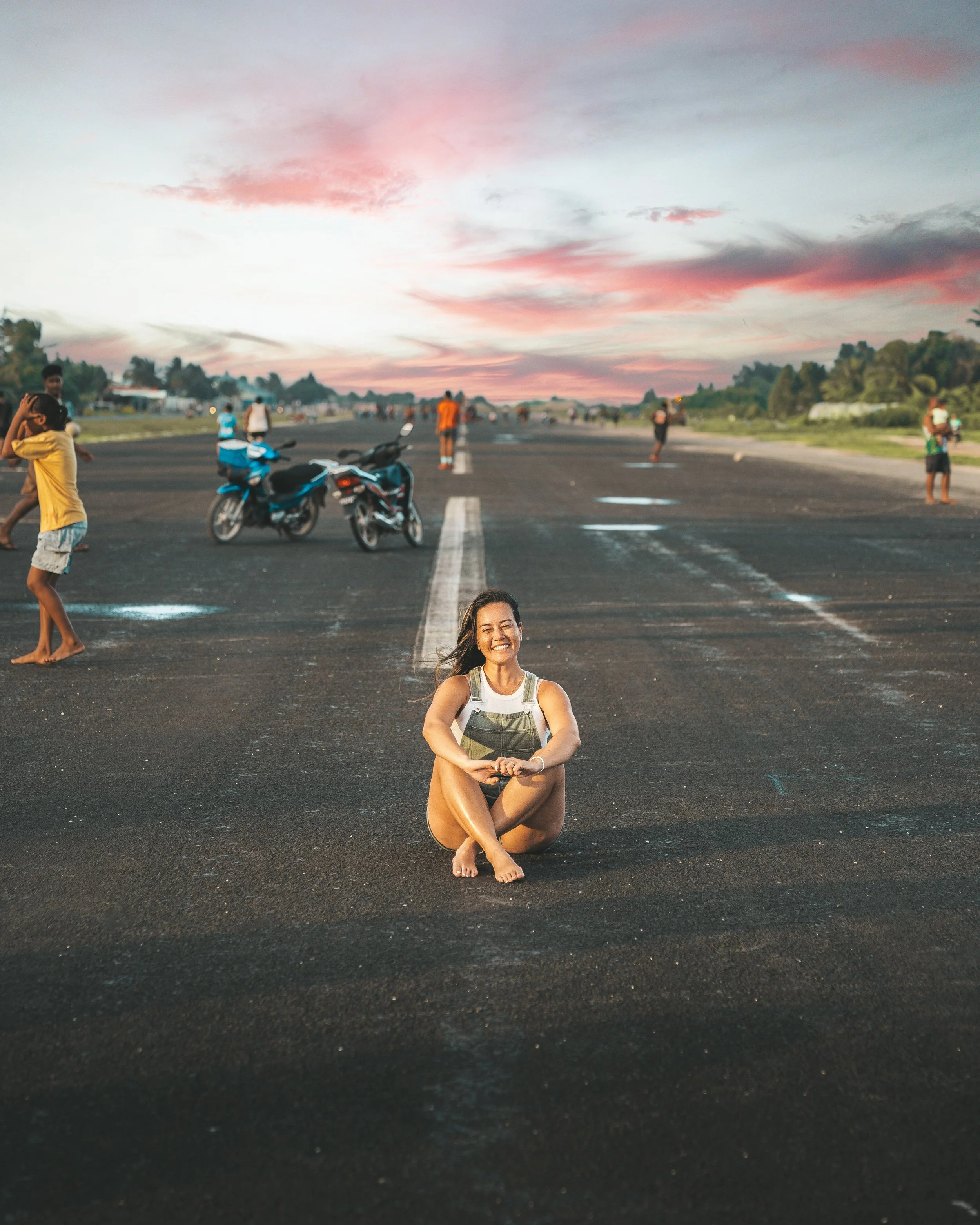
There isn’t a whole lot to do in Tuvalu since you can ride a motorbike from one end of the island to the other in twenty minutes, Beaches are also difficult to get to, surprisingly, considering how small and narrow the island is. I also recommend visiting the airport runway at sunset for a taste of local life — you’ll see the locals hanging out and playing football on the actual airport runway. Where else in the world can you do that?!

Budget

FLIGHTS: $651 USD

The whole Fiji Airways flight loop (Vanuatu - Tonga - Samoa - Tuvalu - Fiji - Solomon Islands) cost $2072 USD, but to just break it down, round trip from Fiji to Funafuti, Tuvalu and back to Fiji cost $651 USD.

HOTEL: $45 USD

MOTORBIKE RENTAL: $10 USD

FOOD & DRINKS: $10 USD

TOTAL SPENT FOR TUVALU: $716 USD

Everything you need to know about Nauru

Nauru

Nauru is a tiny Pacific island nation with a quiet, off-the-beaten-path charm. Visitors find rugged phosphate terraces, a dramatic coastal walk around the island’s rocky rim, and small local communities where traditional customs remain strong. Snorkeling and diving reveal healthy coral and marine life, while inland trails lead to World War II relics and limestone caves. With limited accommodation and services, Nauru suits travelers seeking solitude, cultural encounters, and an uncommercialized island experience. Practical planning and respect for local customs are essential.

If you’re here from my post “How to visit every country in the Pacific,” welcome! This is going to be a little more of an in-depth guide on my trip to the country of Nauru.

How to get to Nauru

Nauru is one of the world’s least-visited countries, so getting here is not easy. There are flights twice per week from Brisbane, which is where I started my journey, and the only airline that flies to Nauru is Nauru Airlines. I flew from Kiribati to Nauru, so I recommend looping these two countries together on your trip. Flights are regularly cancelled or rescheduled, so always leave extra days just in case something happens.

How to get the visa for Nauru

Surprisingly this isn’t an easy visa to get! At the time of writing this post, the main contact to obtain the visa is a man named Cramer Cain, who is based in Brisbane, Australia.

Here is his email: cramer.cain@brisbane.gov.nr

He will send you the visa application to fill out and you also have to provide a copy of your passport, flights, hotel booking, and a document that shows your current employment or source of income. Then you have to send a payment of $50 AUD.

I sent an email about a month prior to departure, but the visa wasn’t ready until the day I flew out of Brisbane. My friend’s visa was ready in just two days, so I naturally followed up weekly via email and was very concerned, but Cramer constantly said they were still working on it and not to worry since everything is fine. When I arrived in Brisbane I decided to pay a visit to the Nauru embassy and met Cramer, and he reiterated that he would follow-up with immigration, but again, everything was fine. I finally got my visa that evening and flew out just a few hours later to Kiribati. Definitely one of my more stressful visa experiences!

Where to stay in Nauru

There aren’t many options for hotels in Nauru, but we stayed at GoodWorks Accommodation. Ignore the photos you see on Booking, it was newly renovated when we went and was clean with great AC. Easy check-in and check-out system too. It was walking distance from two Chinese restaurants and overall a good location. Someone from the hotel was able to do an airport pick-up and drop-off for us.

SEARCH | Alternatively, check out Booking.com for more options in the area.

Staying connected in Nauru

My friends and I all used the Airalo Oceania Esim for this trip, which covers eight countries in Oceania and specifically seven of the countries on this trip through the South Pacific. It’s cheaper than buying individual esims or physical sim cards for each country so it’s a great deal and you can top-up if you run low on data. I personally love using esims since you’re instantly connected when you land to look up directions, currency rates, or language translations. Yes, Nauru is covered on the Airalo Oceania Esim, but if you’d rather purchase a Nauru esim separately you can check it out here.

SEARCH | Alternatively, check out Airalo.com for more esim options.

How to get around Nauru

We had the hotel pick us up from the airport and drop us off, and there were restaurants within walking distance. People are friendly enough that you could easily hitchhike, but if you wanted to rent a car I would recommend asking your hotel to set something up since there aren’t any formal car rentals on the island. GoodWorks Accommodation can set up a bicycle rental for $10 USD per day!

What to do in Nauru

DAY 1: The evening day we arrived, we got settled at our hotel and had dinner at one of the Chinese restaurants just a few minutes walk away. We tried both restaurants and they were terrible. I would’ve liked to try local food but we couldn’t find anything.

DAY 2: We woke up early and decided to walk the perimeter of the country. It’s 20 km around, and how often can you say you walked around an entire country?! We started at 6:30 AM and honestly that was way too late — it was already terribly hot by then. It took us a total of 3.5 hours with stops. Instead of walking, I would recommend renting a bike from GoodWorks Accommodation for $10 USD. It would be a quick, flat sunrise bike ride along the ocean.

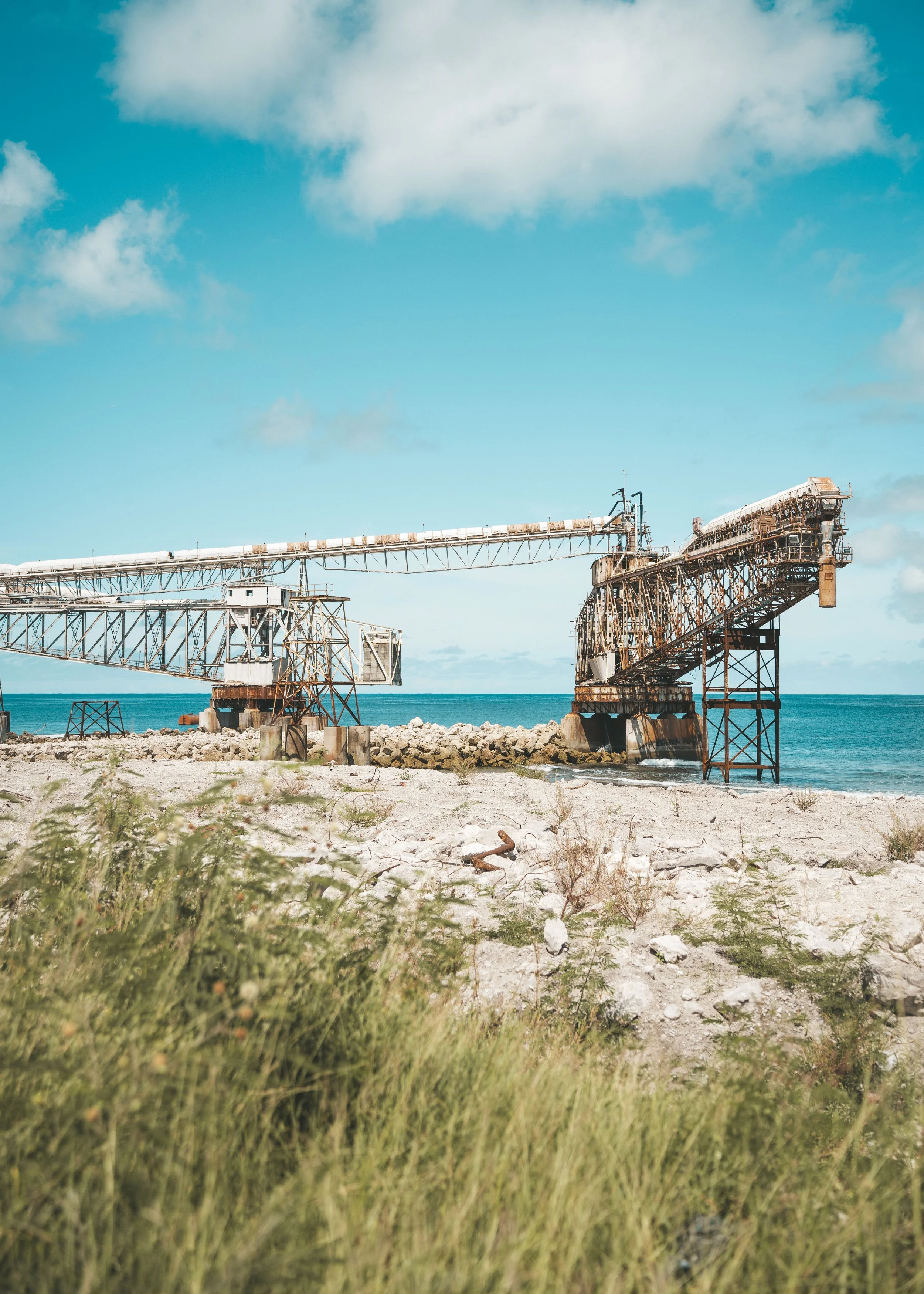
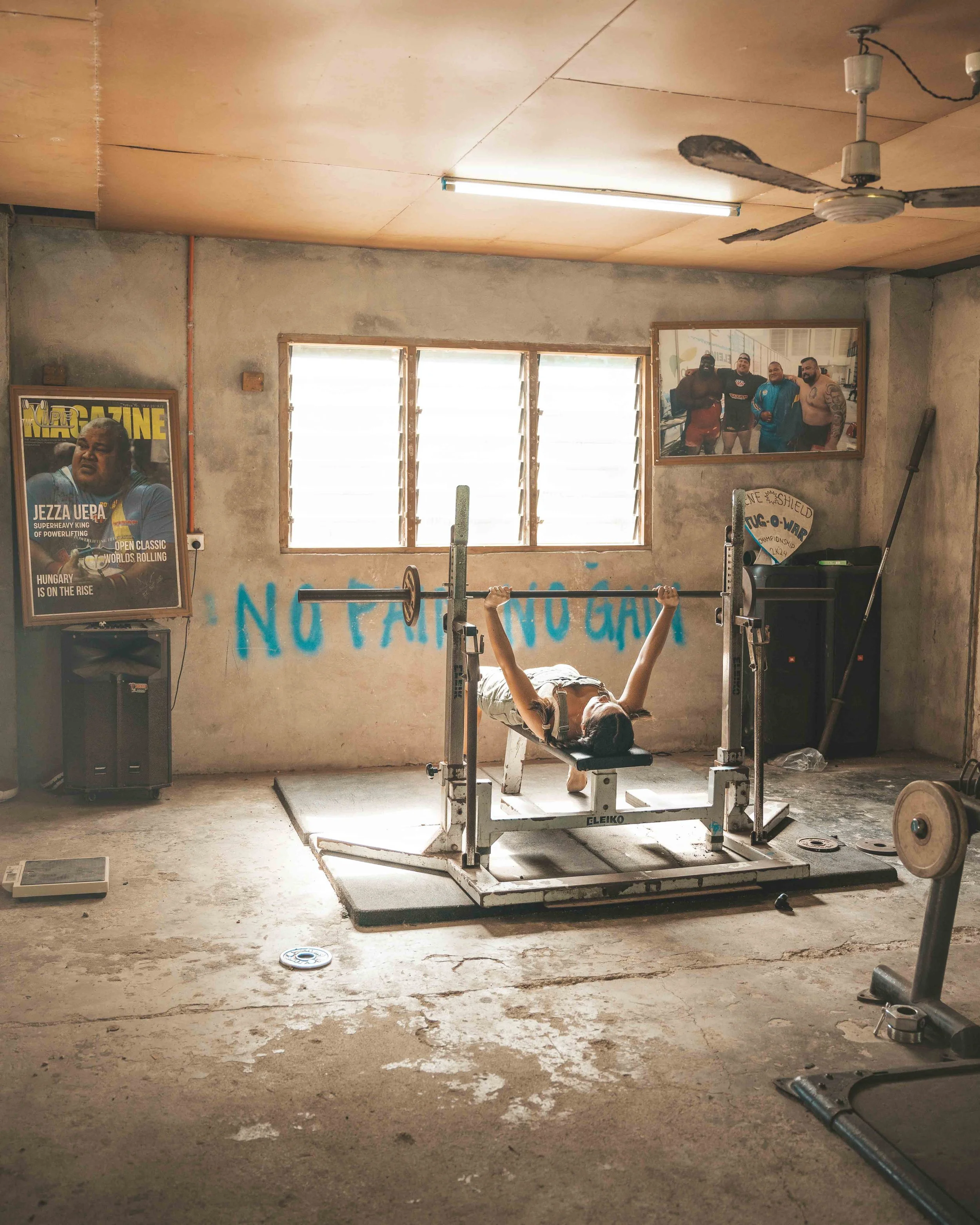
During our walk, we stopped at Blue’s Gym to try and meet the “World’s Strongest Man of 2019,” powerlifter Jezza Uepa, but unfortunately he wasn’t there that day. Our next stop was the WWII Memorial Monument, where you can also see some of Nauru’s abandoned phospate sites. My friend also went to Moqua Cave, which is right next to the airport, but said there was a couple in there that was… very loud… to put it appropriately, so she didn’t go in.

After another terrible meal at the Chinese restaurant we headed back to the airport. It was a unique experience — would I ever go back? Probably not, but I thoroughly enjoyed my time in one of the smallest countries in the world.

Budget

VISA: $50 AUD

$50 AUD is about $35 USD.

FLIGHTS: $1009

The whole Nauru flight loop (Brisbane - Kiribati - Nauru - Brisbane) cost $1784 USD, but to just break it down, from Kiribati to Nauru cost $370 USD and from Nauru back to Brisbane cost $639 USD.

HOTEL: $80 USD

FOOD & DRINKS: $20 USD

TOTAL SPENT FOR NAURU: $1144 USD

How to visit every country in the Pacific

Oceania

The Pacific is known to be one of the most challenging regions of the world to travel in — not because of entry requirements, but because of the logistics. Flights may only go once per week, get cancelled often, might get bumped to the next flight (which may be the following week!) if overbooked, and is extremely expensive.

There are fourteen countries in the continent of Oceania, but in this blog we’ll be discussing the hard-to-reach Pacific Island nations; countries like Australia and New Zealand are probably the most accessible, so will not be discussed in-depth here.

How do you go about trying to figure out the best route for the Pacific?

The route you plan will vary depending on your needs and constantly changing flight schedules, but I’ll explain the process in which I mapped out the logistics to visit every country in the Pacific.

Since the Mt. Hagen Festival in Papua New Guinea was on specific dates, that was the starting point. From there, I analyzed the most remote countries and what airlines flew into each one; only Nauru Airlines and Fiji Airways flew into Kiribati, and Fiji Airways was the only airline that flew into Tuvalu, for example.

So I organized two loops:

The Nauru Airlines loop — Kiribati & Nauru

The Fiji Airways loop — Tonga, Samoa, Tuvalu, Fiji

This left the following countries: Solomon Islands & Vanuatu. There were direct flights to Solomon Islands from Papua New Guinea, which was my original plan before I had some unfortunate flight delays with Air Niugini and ended up missing the flight. Fortunately I was able to rearrange things to add Solomon Islands to the end of my trip with the Fiji Airways loop.

Vanuatu, on the other hand, is touristy enough where you can easily find a connection from most hubs. Therefore, it made the most sense to start and end the Nauru loops in Brisbane, Australia to connect the Solomon Islands, the Nauru loop, and Vanuatu.

The United Airlines Hopper loop — Micronesia, Marshall Islands, Palau

The third loop I did not do on this specific trip but covers the northern Pacific islands includes Micronesia and the Marshall Islands (I’m saving Palau as my final country so I didn’t visit, but you can add it onto this loop). You can read about that trip here.

Budget

I’ll go into depth on costs per country under each country’s blog post, but I’ll add the overall budget for flights here since it was highly requested. The total for flights for these two loops was $3856 USD. Yes, it’s not cheap and probably the most expensive trip I’ve ever done.

NAURU AIRLINES loop FLIGHT COSTS

I used the multi-city option to purchase these flights from Brisbane - Kiribati - Nauru - Brisbane via Nauru Airlines for a total of $1784 USD.

Fiji Airways loop Flight costs

I also used the multi-city option to purchase the flights from Vanuatu - Tonga - Samoa - Tuvalu - Fiji - Solomon Islands via Fiji Airways for a whopping total of $2072 USD.

Tips for planning a logistically challenging trip

The most important thing is to stay flexible. I left extra days at the end of the journey just in case something went wrong. This worked out great because of the hiccup with delayed flights in Papua New Guinea to the Solomon Islands. I rebooked a new flight for the end of the trip, but if everything had gone smoothly I would have just spent more time exploring Australia!

Rather than booking a bunch of one-way separate flights, I recommend doing the “multi-city” option with a single airline so if a flight gets delayed, the airline will automatically rebook you and your whole schedule doesn’t get messed up. Besides Papua New Guinea and the Solomon Islands, all our flights were with Nauru Airlines or Fiji Airways.

When is the best time to visit the South Pacific?

Even though you might think of the Pacific islands as hot and humid year-round, having good weather is crucial for a successful trip to hop around these remote countries. The best time of year is the dry season, from May until September, when temperatures are pleasant and rain is minimal. It’s still possible to visit other times of the year, but be aware of monsoons cancelling flights; and when some of these flights only go once or twice per week, you don’t want to risk it. I did this trip from August to September and luckily didn’t have any issues pertaining to weather.

What currency is used in the South Pacific?

I will do an overview of currency along with my tips and recommendations, and then under each country get into specifics. In general I recommend carrying a combination of USD and Australian dollars; some countries didn’t even have working ATMs or accepted credit cards so it was easier to carry cash. Only Fiji, Papua New Guinea, Samoa, Solomon Islands, Tonga, and Vanuatu have their own currency, but they also would accept USD and AUD.

How to stay connected in the South Pacific?

I personally used the Airalo Oceania Esim, which covers eight countries in Oceania and specifically seven of the countries on this trip. It’s cheaper than buying individual esims or physical sim cards for each country so it’s a great deal and you can top-up if you run low on data. The only countries it doesn’t cover for this trip are Kiribati, Tuvalu, and Solomon Islands but I’ll go into depth on where you can find physical sim cards in separate blog posts about each country.

SEARCH | Alternatively, check out Airalo.com for more esim options.

Is it easy to book accommodation in the South Pacific?

In general you can find places to stay before your trip online, but it’s important to book far in advance to secure your room since it is very limited. You wouldn’t think countries like Tuvalu would have their hotels fill up, but I was surprised to find out that hotels were completely booked out for construction and aid workers. I’ll share recommendations of where I stayed when I specifically talk about each country.

Itinerary for every country in the Pacific

I just want to preface by saying that I know this is a really fast-paced schedule, and if you should plan extra time at the end of your trip just in case something goes wrong. In total this trip was 24 days long, or 3.5 weeks, but most travelers plan 1+ months to do this. Also flight schedules change all the time so that’s another thing you should be aware of.

“But how can you even see a country in just a few days?”

Ah yes, the question every country-counter gets. The Pacific is extremely expensive and time-consuming to visit, so unless you’re keen on visiting far outer islands, have money to burn, get a lot of time off work or aren’t working etc, you’re probably going to be in the same boat (and probably why you’re reading this blog post :) Plus, I did walk the entire perimeter of Nauru in 3.5 hours so there’s that. Anyways, here’s a brief itinerary on visiting every country in the Pacific, but if you want more in-depth details feel free to click on the country for the full blog post

PAPUA NEW GUINEA

The first stop of this trip; I planned the whole trip around the fact that I wanted to visit the Mount Hagen Festival, which you can read about how I avoided a $3000+ tour and did it independently here.

DAY 1: ARRIVAL IN PORT MORESBY, PAPUA NEW GUINEA

My flight from Manila arrived at 8 AM, but was an hour late. My friends and I had booked the 11:50 AM flight to Mt. Hagen give enough cushion room since flights are notoriously known to be late, but that flight was also horrendously delayed by four hours. I recommend booking a morning flight to Mt. Hagen since the flights are always late, and the afternoon flights usually get cancelled due to morning flight delays and weather. If you can, arrive the day before and stay the night in Port Moresby, then get on the first flight the next morning.

DAY 2: MT. HAGEN FESTIVAL

This always takes place over a weekend in mid-August. There’s also a festival that happens in September, but I won’t go into too many details since you can read about how I visited the Mt. Hagen Festival independently here.

DAY 3: MT. HAGEN FESTIVAL

Honestly, I found one day to be enough since they’re the same events on both days; we should have flown out today / Sunday afternoon, but I didn’t know anyone who’s done this outside of a tour so I had no idea. Another recommendation I would make is you could get a driver to take you to Goroka on this day to see the other tribes and fly out of there instead.

DAY 4: MT. HAGEN

We were supposed to fly out on this day (the Monday after the weekend festival), but flights got so delayed it was cancelled. Like I mentioned previously, get in and get out if you’re flying because it’s just so chaotic. Luckily Air Niugini provided us with a free hotel room for the night along with meals and transport.

DAY 5: PORT MORESBY

This is where it gets even funnier; we were supposed to fly back to Port Moresby to catch a flight to the Solomon Islands, but when the plane got into Mt. Hagen it broke down. We were all pretty annoyed by this point, but another plane flew in later that day and we finally got back to Port Moresby. Air Niugini provided us with a free hotel room for the night along with meals and transport. Since we missed our flight to the Solomon Islands and afterwards were supposed to fly to Brisbane, Air Niugini provided us with a free flight to Brisbane instead.

I have to say, for a tiny airline they have fantastic customer service, but they could probably save some money by having a newer fleet of planes that don’t break down so much ha ha. Moral of the story is, what was supposed to only be three days in PNG turned into five, along with missing the Solomon Islands, so always plan extra time and don’t make your itinerary too tight.

AUSTRALIA

DAY 6: ARRIVAL IN BRISBANE

I was thankful that Air Niugini at least gave us a free flight to Brisbane after completely missing the Solomon Islands, and now we were back on track for the Nauru loop. Despite having applied for the Nauru visa over a month prior to the trip, we still hadn’t received it. The man who processes the visas at the embassy in Brisbane kept saying, “don’t worry, you’ll get it,” but at this point we were worried since our flight out was tomorrow. We paid a visit to the embassy to talk to them in person, and it was still “no worries I’ll call them up today,” but sure enough we got them later that afternoon.

DAY 7: THE NAURU LOOP

We had enough time to do a little bit of exploring, but there isn’t a whole lot to do in the city of Brisbane itself. We ended up visiting the Lone Pine Koala Sanctuary, which was fun to do for a few hours to see all the unique animals of Australia.

SEARCH | Alternatively, check out Getyourguide.com for more things to do in Brisbane.

In the late afternoon we headed to the airport for our 10 PM flight to Kiribati, with a short layover in Nauru. Nauru Airlines is really strict about luggage weight; I’m usually really good about negotiating to keep my backpack with me since it has all my electronics but they refused. I ended up putting my electronics into my foldable pocket-sized backpack and having to check-in my regular backpack.

KIRIBATI

DAY 8: ARRIVAL IN TARAWA

We arrived in Tarawa, Kiribati at 7 AM and the owner of the guesthouse we were staying at was there to greet us. Usually there’s a booth at the airport where you can buy sim cards, but because it was so early in the morning no one was there. The guesthouse ended up having good wifi and we were only there for a night so it was fine.

Getting around the island is easy; you just walk out to the main road (there’s only one haha) and flag down a minibus in the direction you want to go. We spent the afternoon checking out the massive WWII artillery guns and bunkers around the island.

Read more about my trip to Kiribati, including the full budget, here.

nauru

DAY 9: ARRIVAL IN NAURU

Our flight to Nauru wasn’t until 6 PM, so in the early morning we took a minibus to the airport, hitchhiked on the back of a truck until the North Tarawa bridge, walked 35 minutes to the beach at Abatao, then took a small boat across the water to check out the buias at Tabon te Keekee Ecolodge. Buias are traditional raised houses either overwater or on land.

We arrived in Nauru at 7:30 PM and someone from the hotel we were staying at came to pick us up. The restaurant options were limited — there were only two Chinese restaurants within walking distance of the hotel and they were not good. We pointed to the chicken fried rice on the menu on the wall and the owner nodded, goes into the kitchen with a cigarette hanging off his lip; you could see he dumped white rice into a wok that had was clearly not cleaned from the previous dish he cooked, along with chopped some chicken with bones that was sitting out on a cutting board. Wasn’t my favorite meal but I’ll never forget it hahaha.

DAY 10: WALKING THE PERIMETER OF NAURU

The perimeter of the country of Nauru is about 20 km and takes around 3.5 hours to walk it. I recommend getting up as early as possible, even before the sun is up. We left at dawn at 6:30 AM and it still felt too late; by the time it’s 8:30 AM it is way too hot. If I were to do it again I would find a bike to rent and do it that way, it would be much more enjoyable to do a quick bike ride at sunrise.

Our flight back to Brisbane was at 5 PM; we basically just checked into a hotel then went back to the airport first thing the next morning. Read more about my trip to Nauru, including the full budget, here.

vanuatu

DAY 11: ARRIVAL IN PORT VILA

Our original plan was to do the Mt. Yasur volcano, but unfortunately with Air Vanuatu liquidating and crashes with other airline companies, we weren’t able to visit. I believe you can now visit on certain days of the week if you want to look into it.

We got in at 2 PM and did the usual money exchange, sim cards, rented a car, then found the guesthouse we were staying at. After dinner we met up with some friends at a kava bar.

DAY 12: EXPLORING PORT VILA

One day was perfect to explore the whole island. I’ll go more into depth on my Vanuatu blog post but here’s a quick itinerary of the day:

  • Blue Lagoon

  • Nasinu Hot Springs

  • Hideaway Island and the “underwater post office”

DAY 13: THE FIJI AIRWAYS LOOP

In the morning we went to Ekasup Cultural Village before heading to the airport to catch our flight to Tonga at 5 PM, with a quick layover in Fiji. This is where the “Fiji Loop” begins.

Read more about my trip to Vanuatu, including the full budget, here.

tonga

DAY 14: ARRIVAL IN NUKU’ALOFA

We got in a little after midnight and our guesthouse owner picked us up from the airport. They were able to set us up with a rental car, and we drove to the “Stonehenge of the Pacific” and the Anahulu Cave.

DAY 15: SWIMMING WITH HUMPBACK WHALES

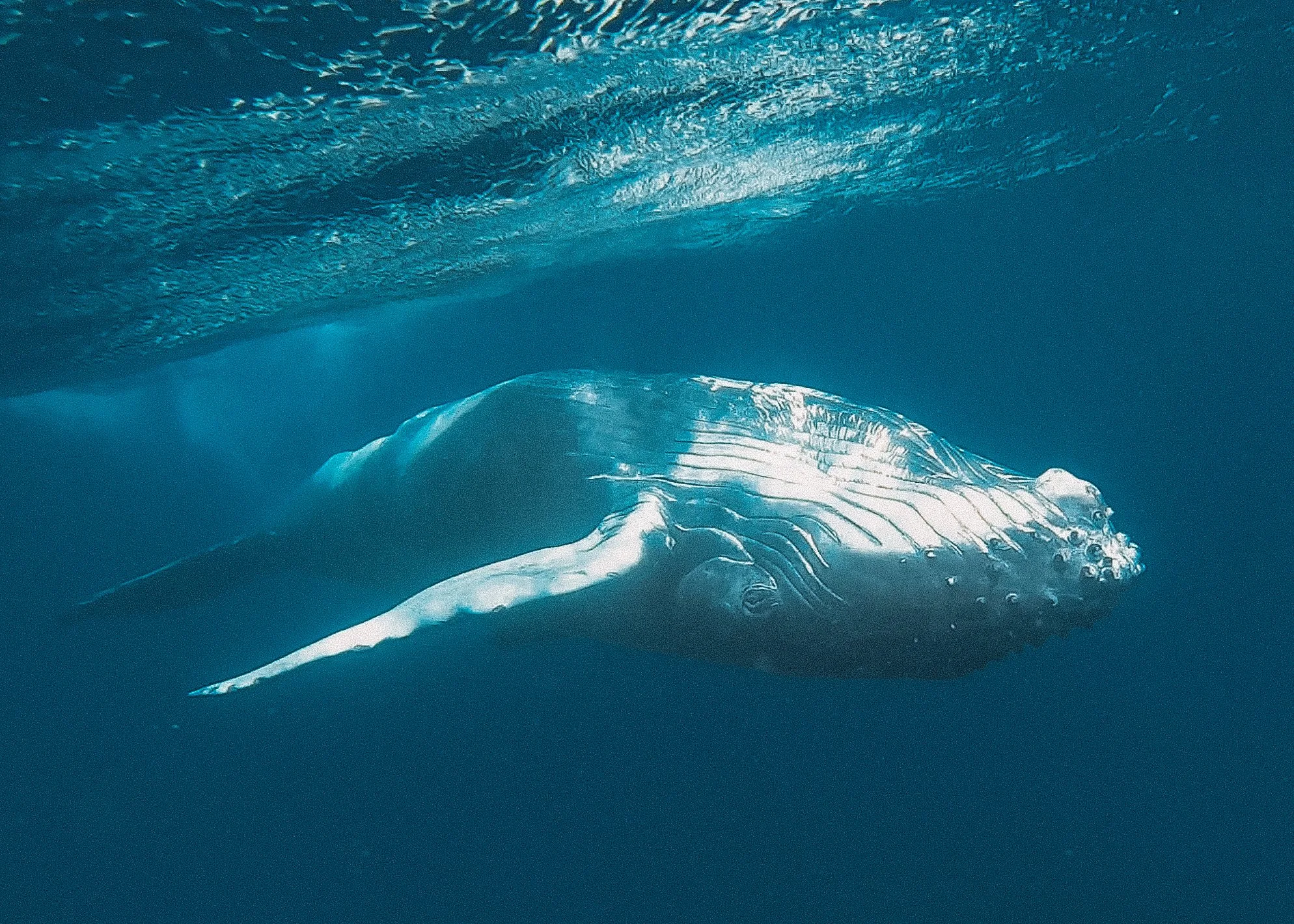
This has been on my bucketlist for a long time and August / September is the best time to do this. It is an expensive excursion, so you want to be aware of who you book with — some tours pack 30+ people onto a boat so it’s hard to get time in the water before the whales get scared off. I highly recommend finding a private boat driver with maximum six people onboard so you get the best experience and value for your money.

samoa

DAY 16: ARRIVAL IN APIA

We arrived in Apia at 4 PM and decided to rent a car; the car rental office was in town so we had to haggle with a taxi driver to take us down there. Some friends of ours from Papua New Guinea were also in Samoa so we met up in the evening for a cultural show and got to have traditional food and watch some dances.

DAY 17: DRIVING AROUND THE ISLAND

I’ll share more details in a separate blog post, but here’s a short guide to the activities we managed to squeeze in:

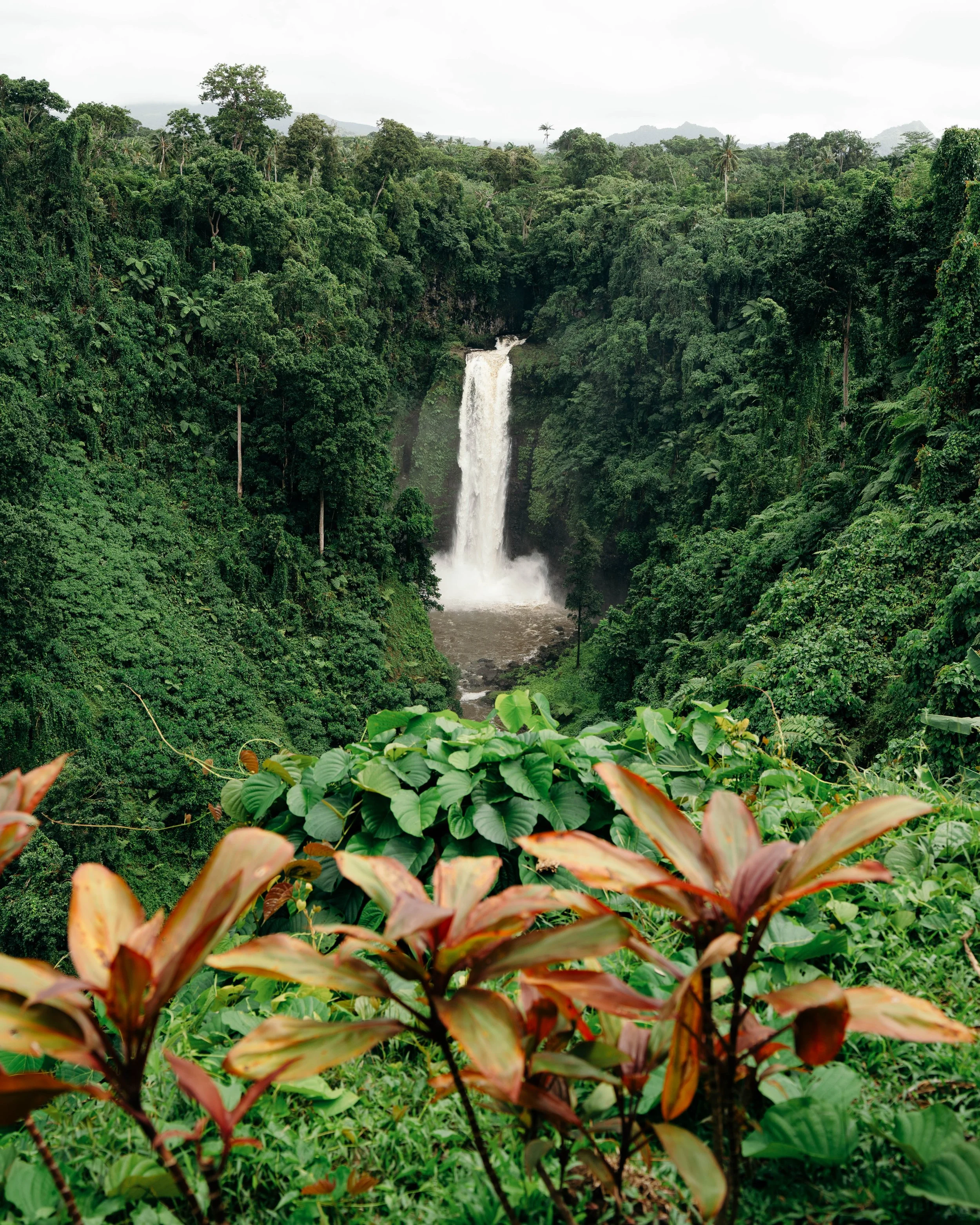
  • Sopoaga Falls

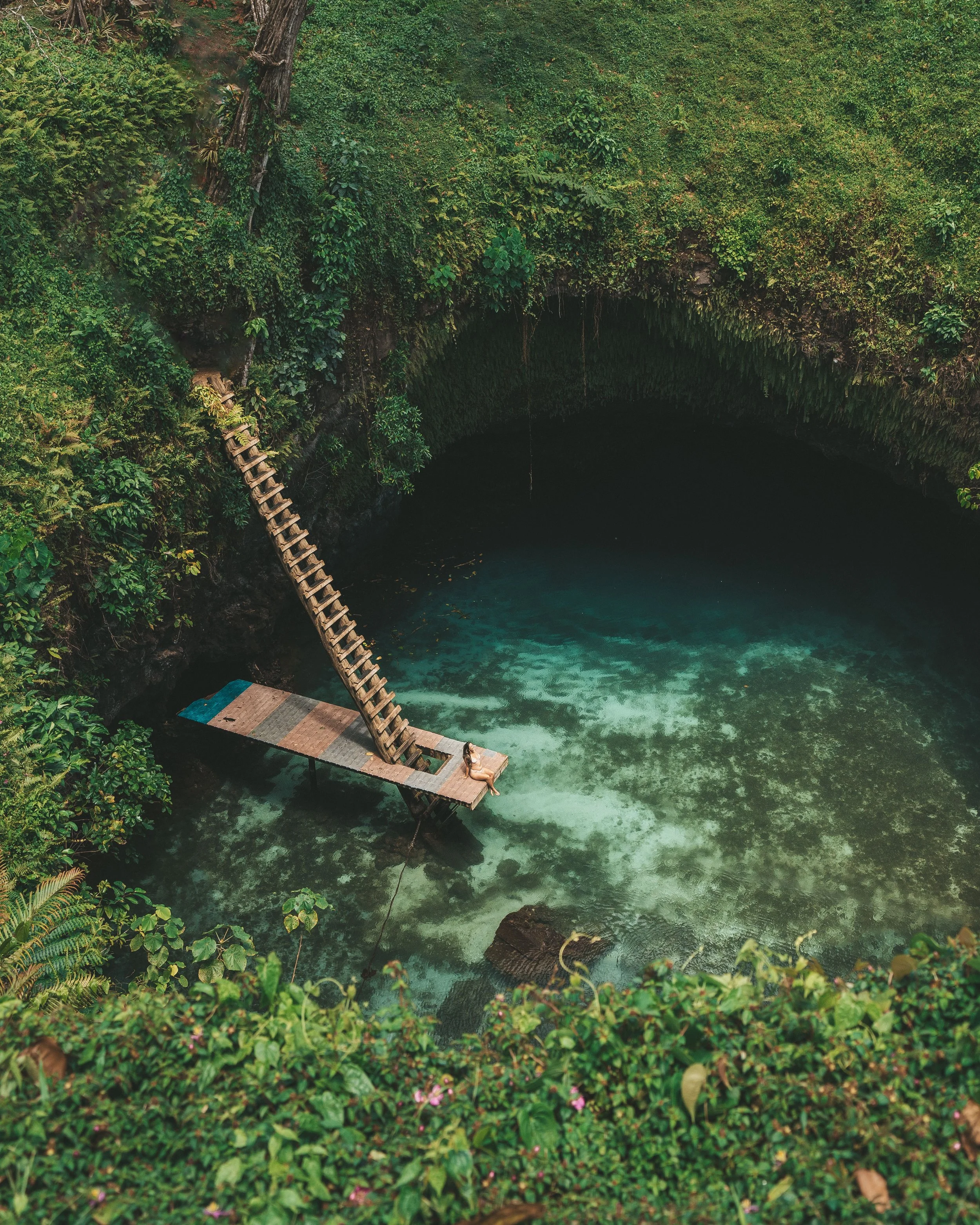
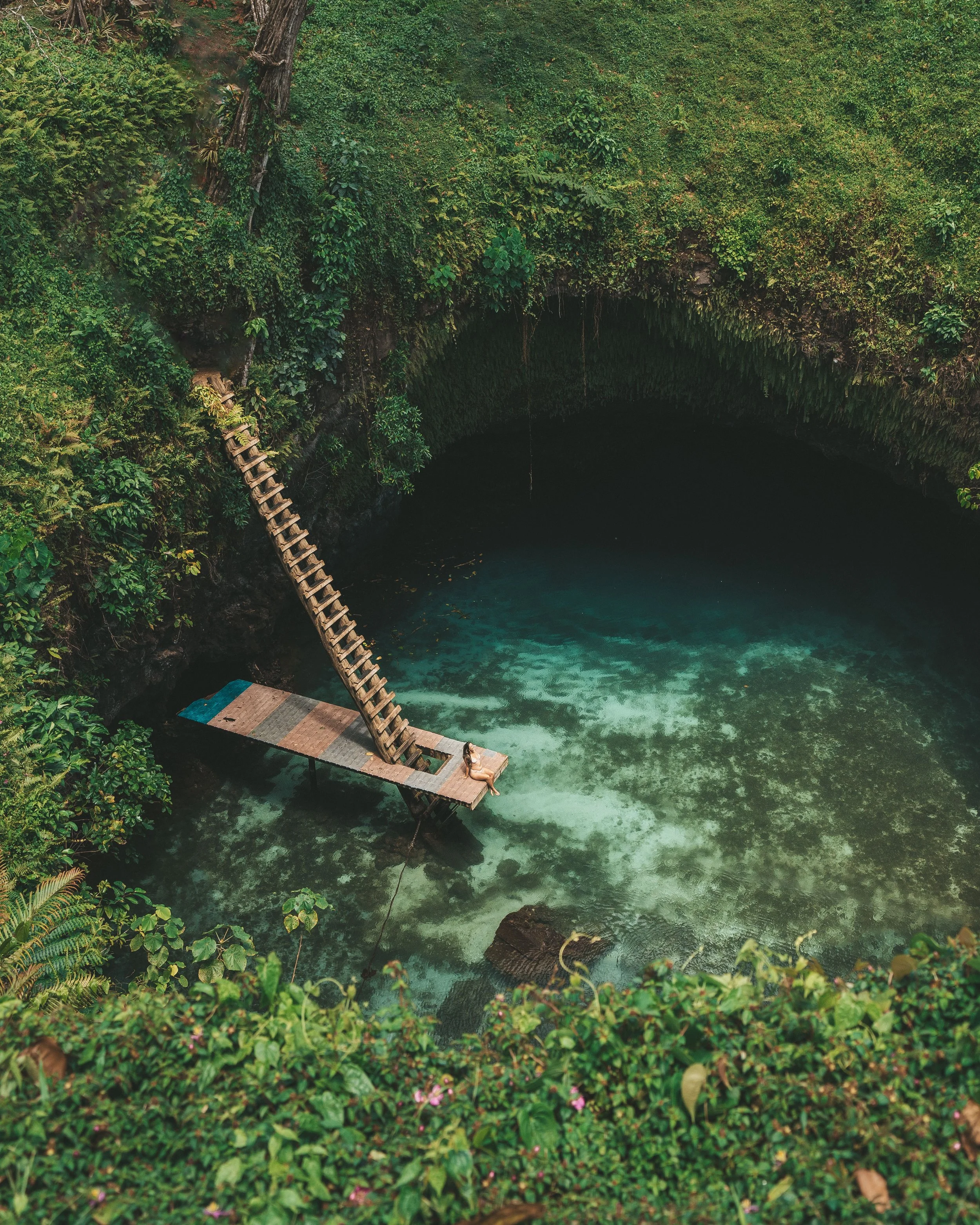
  • ToSua Ocean Trench

  • Lalomanu Beach

  • Papapapaitai Falls

TUVALU

DAY 18: FLYING INTO FUNAFUTI

We got in at 11 AM; our hotel was a minute walk from the airport so we settled in and saw someone across the street renting scooters. We rented one for the day and drove from one end of the island to the other. At sunset the airport runway turned into a soccer field so we spent the rest of the evening hanging out!

Read more about my trip to Tuvalu, including the full budget, here.

fiji

DAY 19: SUVA

Our flight departed Tuvalu around noon and we got into Suva, Fiji at 3:30 PM. We stayed at a guesthouse right next to the airport, but took a taxi to check out the city. Definitely recommend getting Indian food if you’ve been disappointed by all the not-so-great Chinese restaurants around the south Pacific.

DAY 20: NADI

We flew from Suva to Nadi at 6:30 AM, and we got picked up from the airport to go to a floating bar for the day. It was honestly so spectacular after such an exhausting few weeks in the Pacific. Great food and drinks and perfect relaxation time.

solomon islands

DAY 21: FLYING INTO HONIARA

We were supposed to visit Solomon Islands right after Papua New Guinea, but that plan got derailed. Luckily we left time at the end to explore Australia if everything went perfectly, but instead we used the extra time to pick up the country we missed. When we arrived we exchanged money, got a sim card, then walked to the main road and flagged down a mini bus into Honiara for the night.

DAY 22: RODERICK BAY

Trying to find the boat captain / owner of Roderick Bay was hectic, so if you plan on going don’t be surprised. But, my goodness, the boat ride across the channel was probably one of my top scariest boat rides of my life. It’s up there with the Drake Passage to Antarctica. I’ll go into more details in a separate blog post, but be warned, it’s not a trip for the faint of heart.

DAY 23: RODERICK BAY

We literally just hung out and did nothing; the whole Pacific trip and the boat ride out took everything out of me by this point. Roderick Bay was the perfect place to relax and disconnect; there isn’t any signal even though we were told there was, so if you need to stay connected this isn’t the best place.

DAY 24: THE BOAT RIDE BACK TO HONIARA

We tried leaving as early as we could from Roderick Bay to avoid the crazy waves like we experienced on the way in. We spent the rest of our time in Honiara at a cafe before finding a mini bus to the airport for our 5 PM flight back to Australia.

How to visit the Mt. Hagen Festival in Papua New Guinea independently

Mt. Hagen Festival

The Mount Hagen Cultural Show, commonly known as the Mt. Hagen Festival, is a vibrant celebration of Papua New Guinea's rich cultural heritage. Held annually in the town of Mount Hagen, this festival showcases the diverse traditional practices, costumes, and performances of the various ethnic groups across the highlands.

Typically taking place in August, the festival attracts thousands of visitors from both local communities and abroad. Participants representing numerous tribes come together to perform traditional dances, share stories, and display their colorful attire, often embellished with feathers, shells, and body paint.

The event features a variety of performances, including traditional singing and dancing, which are integral to the cultural identities of the tribes involved. Audience members can witness the intricate storylines conveyed through these art forms—often depicting ancestral journeys, daily life, and spiritual beliefs.

Craft stalls and food vendors also play a significant role in the festival, offering a taste of local cuisine and handcrafted goods. This not only provides an authentic cultural experience but also supports local artisans and communities.

The Mt. Hagen Festival serves as a crucial platform for the preservation of cultural traditions amid modernization. It fosters a sense of unity among the tribes while inviting the world to appreciate the unique and rich cultural tapestry of Papua New Guinea.

HOW TO GET THERE

We flew into the capital of Port Moresby early in the morning, then caught a domestic flight via Air Niugini to Mt. Hagen. These flights are known to get super delayed; we were originally on the noon flight but it ended up being 3.5 hours late. After the festival the flight back to Port Moresby ended up getting cancelled due to technical issues so we had two extra days in Papua New Guinea. It’s important to stay flexible so I recommend planning spare days for cushion room or take a side tour up to see the tribes in Goroka.

Where to stay // accommodation

We stayed at a place called Shalom Guest House, and the owner set everything up from transportation to the festival tickets. It was about 150 Kina per night when I stayed in August 2024. I get a lot of questions about safety, because usually that’s a deterrent for people to visit independently. The guesthouse was gated and felt completely safe, but we didn’t wander off outside of the festival grounds or the guesthouse area. As long as you follow the guidelines of the guesthouse owners, you will be fine.

The guesthouse gets booked out far in advance since it’s literally their home. We booked in January and the festival is in August to give you an idea. The owners arranged transport — from pickup at the airport, to transport to and from the festival, and drop-off at the airport. They also secured the festival tickets for us about two weeks prior to the festival.

SEARCH | Alternatively, check out Booking.com for more options in the area.

How to purchase mt. hagen festival tickets

Make sure you contact the guesthouse owners beforehand so they can arrange everything, but they can purchase the 2-day Mt. Hagen Festival tickets for you in advance for 300 Kina per person. The festival starts early in the morning and ends around 1 PM both Saturday and Sunday. I didn’t know the festival ended so early and would have tried flying out of Mt. Hagen on Sunday instead of Monday if I knew beforehand!

Are there ATms in Mt. hagen?

Unfortunately the ATMs usually don’t work, so you need to bring cash from Port Moresby. The guesthouse and shops don’t accept credit card, USD, or Euro (and there aren’t any exchange offices either), so make sure you plan out how much you need in advance.

How to get around mt. hagen // festival transportation

The guest house arranged all our transportation, from the airport pickup to shuttling us to and from the festival. Prices may vary depending on how many people are in your group. Since the guesthouse was completely full when we went, the owners hired a bus to take all of us around for the weekend and we also got to do some sightseeing besides the festival.

mt. hagen festival

We arrived at the festival super early, but it didn’t end up starting until around 9 AM. There was a procession with all the different tribes that pretty much lasted the whole time, and the procession line ended at a giant field where each tribe would stand together and you could take photos and they would perform their dances. You just walk around and see the different tribes, and it ends around 2 PM. I was surprised at how short the day was, and there weren’t a lot of events or activities besides walking around the different tribes, which is why I felt that one day was enough rather than both Saturday and Sunday.

How to Budget for your trip to Mt. Hagen

Please keep in mind that prices may vary, but hopefully this gives you a rough idea for planning your trip and that it’s possible to visit the Mt. Hagen Festival independently and on a budget without spending $3800+ for a single tour!

  • Shalom Guest House: 150 Kina / $38 USD per night

  • Festival tickets: 300 Kina / $75 USD

  • Transportation: 117 Kina / $30 USD

  • Food: Prices may vary, but there is a communal kitchen at the guesthouse so we stopped by a grocery store and cooked all our meals during our stay. We didn’t really see too many options for restaurants in Mt. Hagen.

  • TOTAL: $220 USD (minus food and round-trip flights)

How to use points to fly to Micronesia and the Marshall Islands

MICRONESIA | THE MARSHALL ISLANDS

We’ve all seen the travelers that fly on business class, get hotel room upgrades, and jet all over the world on points… but HOW? I still wouldn’t consider myself an expert in the credit card points and miles department, but I did want to share how I was able to fly from Los Angeles to Hawaii and take the United Airlines Pacific Hopper to both Micronesia and the Marshall Islands using points.

What is the United Airlines Pacific hopper?

The United Airlines Pacific Island Hopper runs between Hawaii and Guam, and makes stops along remote South Pacific islands along the way. These Pacific islands depend on this route for mail, supplies, and transport, and is the only air connection that many of these islands have. Therefore, using the United Airlines hopper is a great way to visit these countries.

What Islands does United Airlines visit on this route?

United Airlines makes up to five stops between Hawaii and Guam on a single trip, but in total it stops at Honolulu (USA), Majuro (Marshall Islands), Kwajalein (Marshall Islands), Kosrae (Micronesia), Pohnpei (Micronesia), Chuuk (Micronesia), and Guam (USA).

As a country counter, I’m constantly trying to group together countries in regions to visit at a time, which significantly reduces costs rather than going back and forth. It can be confusing to figure out which island belongs to which country, so I’ll break it down for you! The hopper specifically covers the Marshall Islands and Micronesia, which is perfect if you’re trying to use the United Airlines Excursionist Perk to visit two countries on a single trip.

What is the United Airlines Excursionist Perk?

United AIrlines’ Excursionist Perk allows MileagePlus members a free one-way award as part of a qualifying multi-city itinerary, which means you get to visit two destinations on a trip for the price of one. But! Not just any multi-city itinerary qualifies for the Excursionist Perk to get this free flight.

In order to qualify for the Excursionist Perk, you need to book at least three one-way awards together as part of a single itinerary, and the trip must end in the same region that the travel started. For instance, if you’re starting in the continental US, the itinerary must also end in the continental US to qualify for the free leg.

How to use the excursionist perk for the island hopper?

Now, you can use award miles to book from the continental US to the Pacific, but we’re all about maximizing our points, right? I highly recommend looking for a cheap flight to Honolulu, Hawaii and building your trip using the Excursionist Perk from there.

I used my points with Southwest Airlines from Los Angeles to Honolulu for a total of about 13,000 points each way (that’s around $130), but if you book early enough I’ve seen flights go for 6,000 points each way. Definitely worth it!

Awards from the continental US to the South Pacific cost 35,000 miles each way, while intra-island hopper flights cost 0 miles; therefore, it would cost 70,000 miles round-trip if you’re booking directly from the continental US to the South Pacific. But we found a cheap flight on Southwest Airlines so we’re booking the Excursionist Perk from Honolulu, so how much in miles does that look like? This cuts the price down to 27,500 miles each way or 55,000 miles round trip from Honolulu.

I also highly recommend this method if you’re visiting these countries because the United Airlines flights cost around $3000 round trip these days, which is crazy if you compare to points because it’s practically a steal!

How do you obtain points for airlines?

This is another question I often get — it sounds so easy to use points for these trips, but how does one “get” points? Applying for credit cards. Yes, you will need a decent credit score in order to apply for these credit cards.

For Southwest Airlines, here’s a link to sign up for their member credit card and you’re awarded between 30,000 - 60,000 miles. This will cover the cost of your flight from the continental US to Honolulu!

For United Airlines, this is the link you can use to sign up for their credit card rewards program, which is usually around 60,000 miles as well. Since you need 55,000 to cover the cost from Honolulu to the South Pacific, this covers the entire flight.